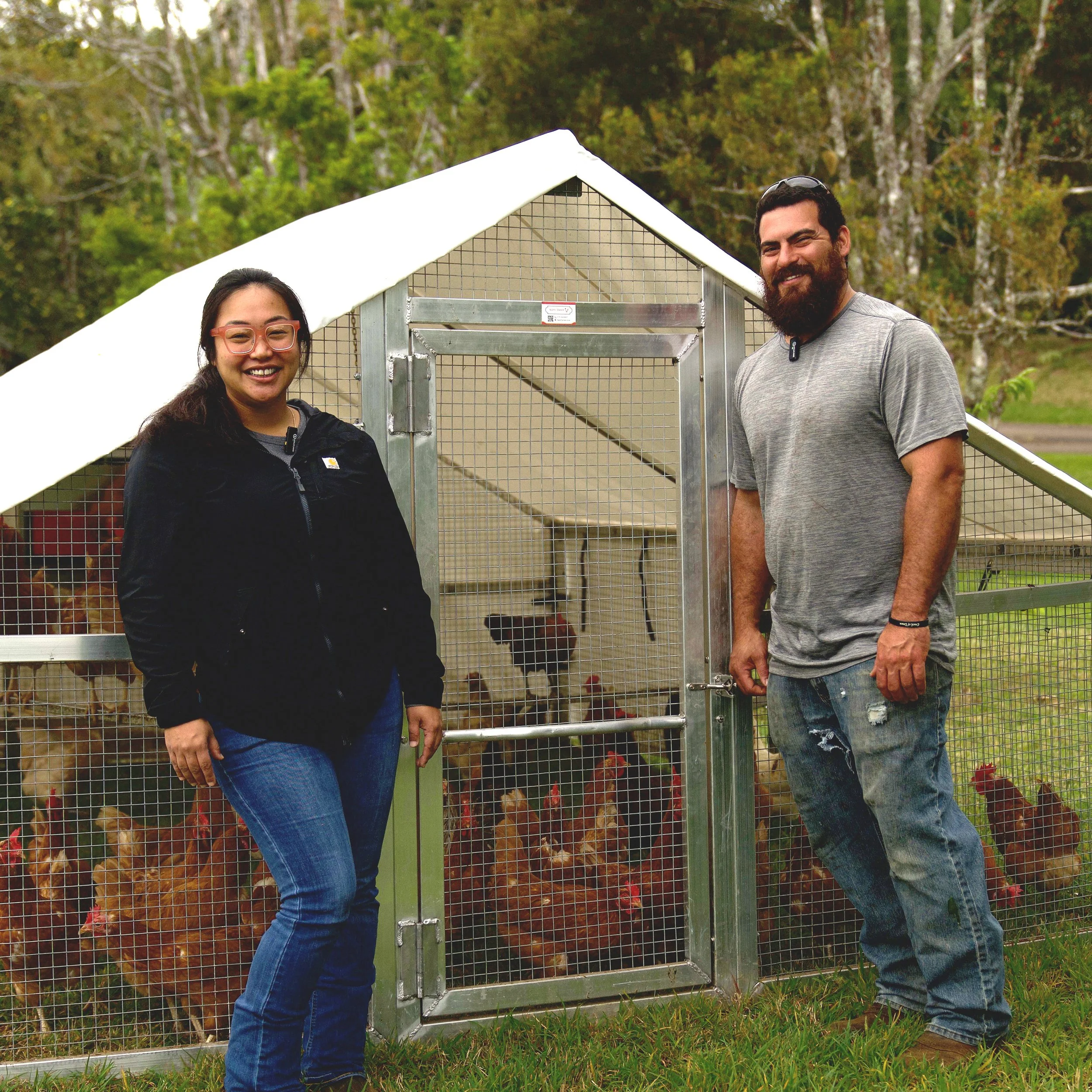
About the Farm
For Nicholas and Mikioi Vericella, ranching is about more than raising livestock. It is about honoring generations of knowledge, caring for the ʻāina, and ensuring that food raised in Hawaiʻi stays in Hawaiʻi.
A third-generation cattle rancher, Nicholas took over management of Puʻu Pale Ranch in 2013. At the time, the ranch followed a traditional business model of selling weaned calves to brokers, with cattle eventually leaving the islands.
Recognizing the disconnect between locally raised cattle and Hawaiʻi's dependence on imported food, Nicholas began rethinking the ranch's approach. Today, the ranch finishes and sells its cattle locally, offering beef directly to the community through cow shares and CSA-style meat boxes.
Puʻu Pale Ranch has also diversified its operation to include pasture-raised pigs, laying hens, and value-added products such as bone broth. Through their other business, Pawniolo Pets, the family transforms underutilized parts of the animal into pet food products, reducing waste and making better use of local agricultural resources.
Their approach is deeply rooted in mālama ʻāina, kuleana, and a commitment to strengthening Hawaiʻi's food security.
The Challenge
Despite its progress toward a more locally focused ranching model, Puʻu Pale Ranch continues to face significant infrastructure challenges.
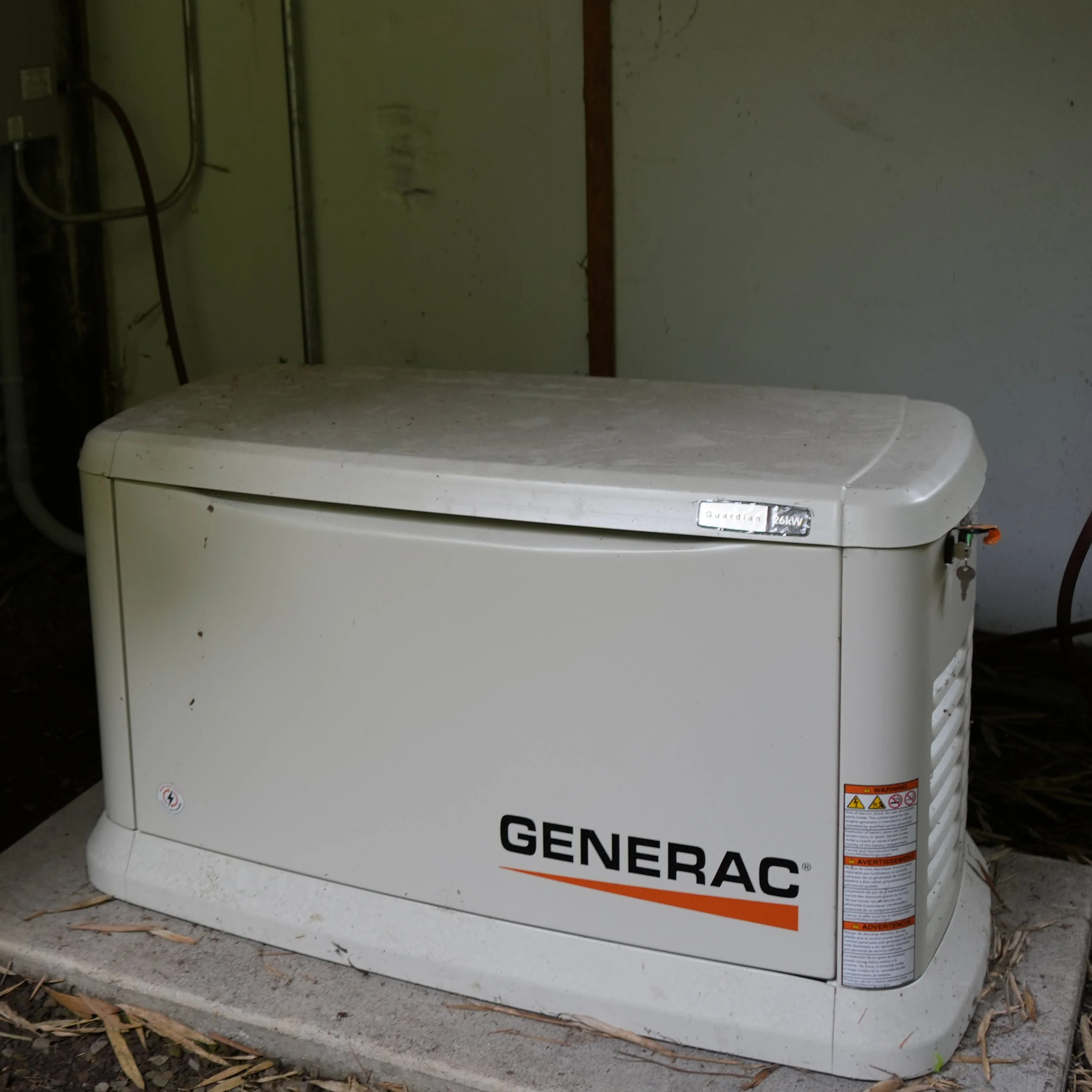
Frequent power outages threaten the ranch's refrigerated and frozen inventory. Without a reliable backup power system, locally raised meat and other perishable products are vulnerable to spoilage.
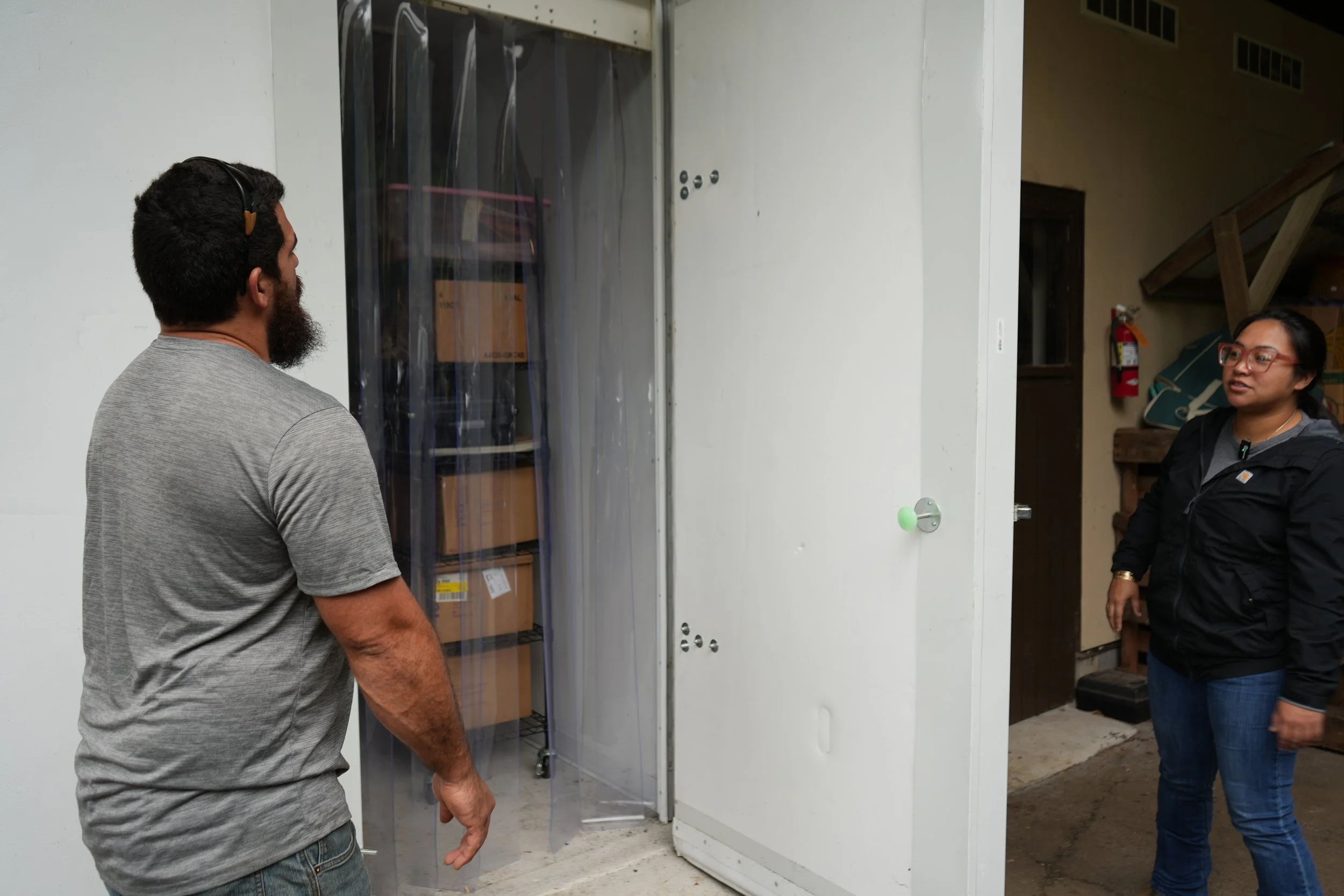
Aging doors on the ranch's custom-built walk-in freezer and refrigerator have also created challenges with temperature control, energy efficiency, and food safety.
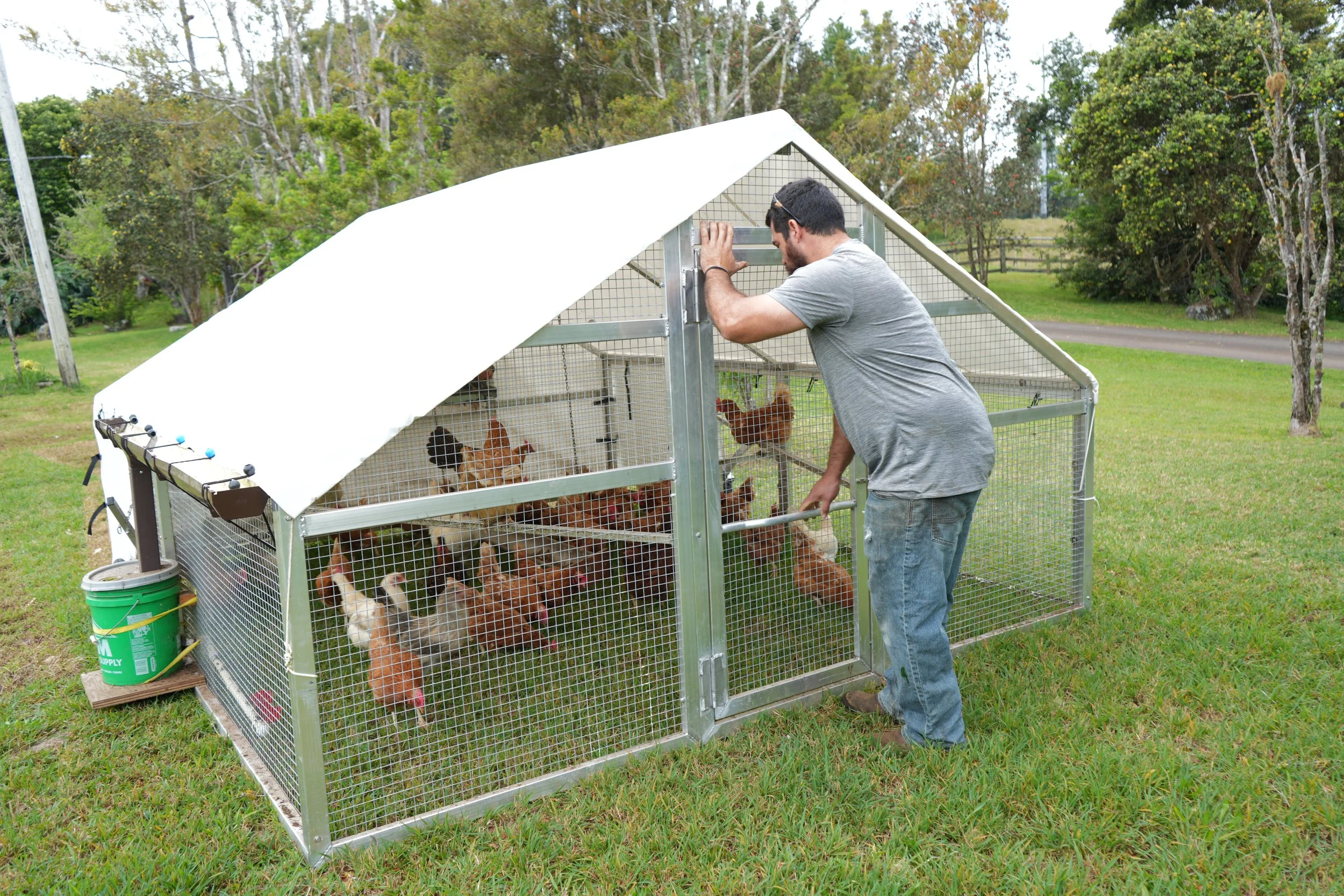
Another priority is expanding regenerative livestock practices by integrating poultry into the ranch's rotational grazing system. However, protecting chickens from predators such as ʻio and mongoose requires secure mobile housing.
Limited access to affordable meat-processing facilities remains a broader challenge, not only for Puʻu Pale Ranch but also for other livestock producers across Hawaiʻi Island.
How Mālama Da Farmer Grant Helped
Through The Food Basket's Mālama Da Farmer program, Puʻu Pale Ranch developed a plan to strengthen essential infrastructure, protect its food supply, and expand regenerative agricultural practices.
The ranch's grant project focused on three key improvements:
A backup generator to protect refrigerated and frozen food during power outages.
Replacement doors for walk-in refrigeration and freezer units to improve temperature control, energy efficiency, and food safety.
A predator-resistant mobile chicken house to support pasture-raised poultry and rotational grazing.
The mobile chicken house is intended to allow chickens to follow cattle through the pastures, contributing to nutrient cycling, natural fertilization, and improved soil health.
These investments are designed to strengthen the ranch's resilience while supporting its commitment to responsible land stewardship and local food production.
Impact
Puʻu Pale Ranch's vision extends far beyond its own agricultural operation. By keeping locally raised livestock in Hawaiʻi, the ranch is helping build a food system that is less dependent on imports and better equipped to serve local communities.
Through cow shares and CSA-style meat boxes, Puʻu Pale Ranch connects directly with local consumers, providing families with access to locally raised beef while strengthening the relationship between ranchers and the communities they feed.
More reliable cold storage can help protect valuable food supplies during emergencies, reduce potential food waste, and support the continued growth of these direct-to-consumer programs.
Integrating poultry into rotational grazing also offers opportunities to improve pasture health, increase biodiversity, and expand local egg and poultry production.
Looking ahead, Puʻu Pale Ranch hopes to obtain USDA certification for its meat-processing operation. This would allow the ranch to expand its processing capabilities and provide processing services to other local ranchers, helping address a significant infrastructure gap in Hawaiʻi Island's livestock industry.
Through thoughtful innovation, generational knowledge, and a commitment to food sovereignty, Puʻu Pale Ranch is working toward a future where caring for the ʻāina and feeding the community go hand in hand.
Hear Their Story
For Nicholas and Mikioi Vericella, mālama ʻāina is not simply an agricultural practice — it is a way of life, shaped by generations of knowledge and a deep sense of kuleana.
Their commitment to keeping Hawaiʻi-raised food in Hawaiʻi reflects a vision of food sovereignty in which local communities have greater access to the food produced on their own islands.
From regenerative grazing practices to creative ways of reducing waste, Puʻu Pale Ranch is reimagining what local ranching can look like while honoring the knowledge of those who came before them and caring for the land that will sustain future generations.
Video by Nixon Jack