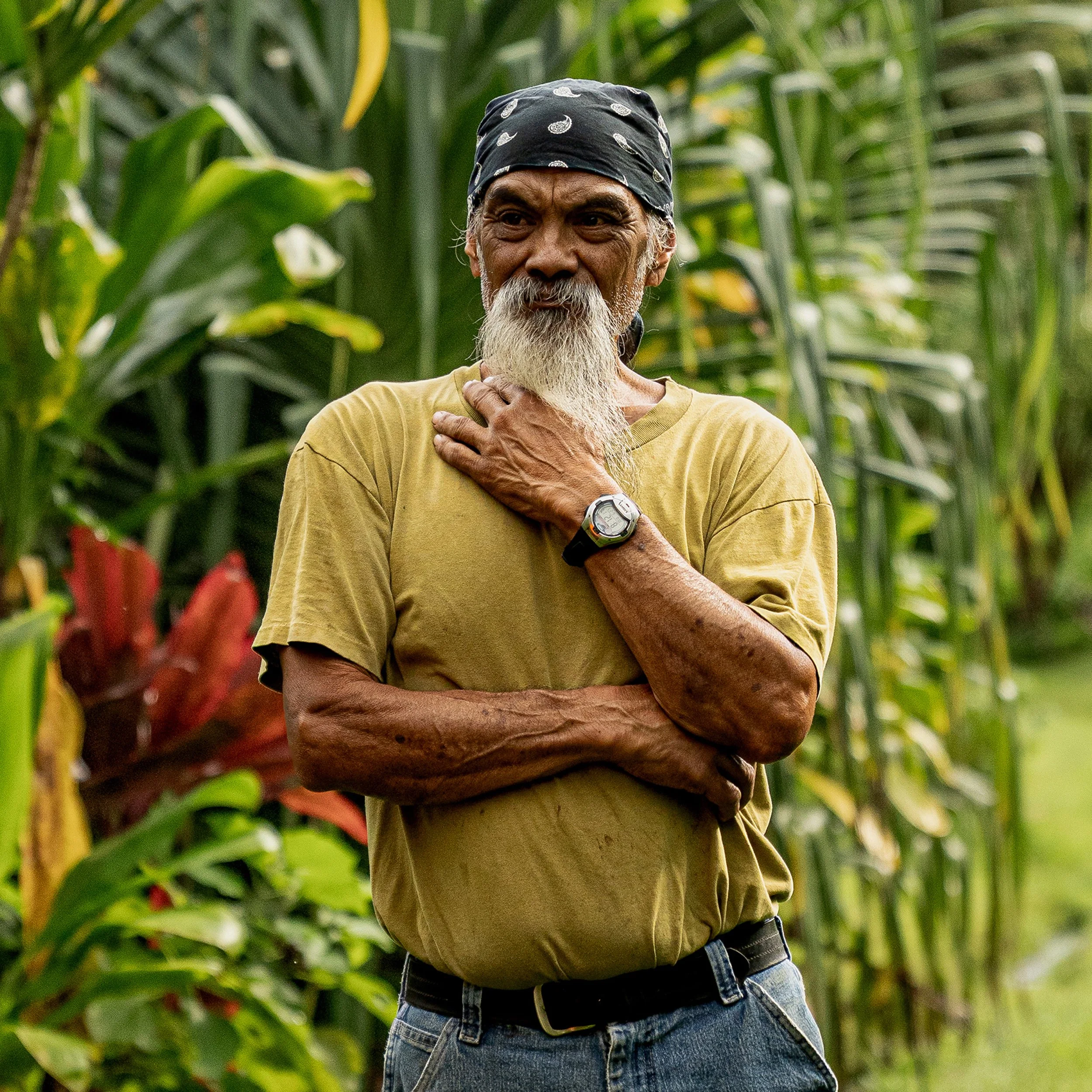
About the Farm
For generations, Naaman Toko's ʻohana has cultivated kalo in the traditional loʻi of Waipiʻo Valley. Having worked alongside his parents and siblings since childhood, Naaman carries forward ancestral farming practices rooted in mālama ʻāina—caring for the land so it can continue to nourish future generations.
Today, Naaman and his partner Debbie grow traditional Waipiʻo kalo varieties, including apiʻi, lehua, and moi, using methods passed down through their family. They also cultivate ʻawa, a culturally significant plant with deep connections to the valley's history and traditions. Beyond growing food, their work is about preserving ʻike kūpuna (ancestral knowledge), strengthening their community, and ensuring these practices continue for generations to come.
The Challenge
Maintaining traditional loʻi kalo in Waipiʻo Valley requires constant care and physically demanding work. Little fire ants have made harvesting difficult, while feral pigs damage kalo plants and threaten future harvests. Aging farm equipment, overgrown vegetation, and the high cost of repairs add to the challenges.
With Naaman and Debbie managing much of the work themselves, finding additional help while preserving traditional farming knowledge has become increasingly important. They hope to create opportunities for younger generations to learn firsthand about cultivating kalo and ʻawa, ensuring that the knowledge passed down through their ʻohana continues into the future.
How Mālama Da Farmer Grant Helped
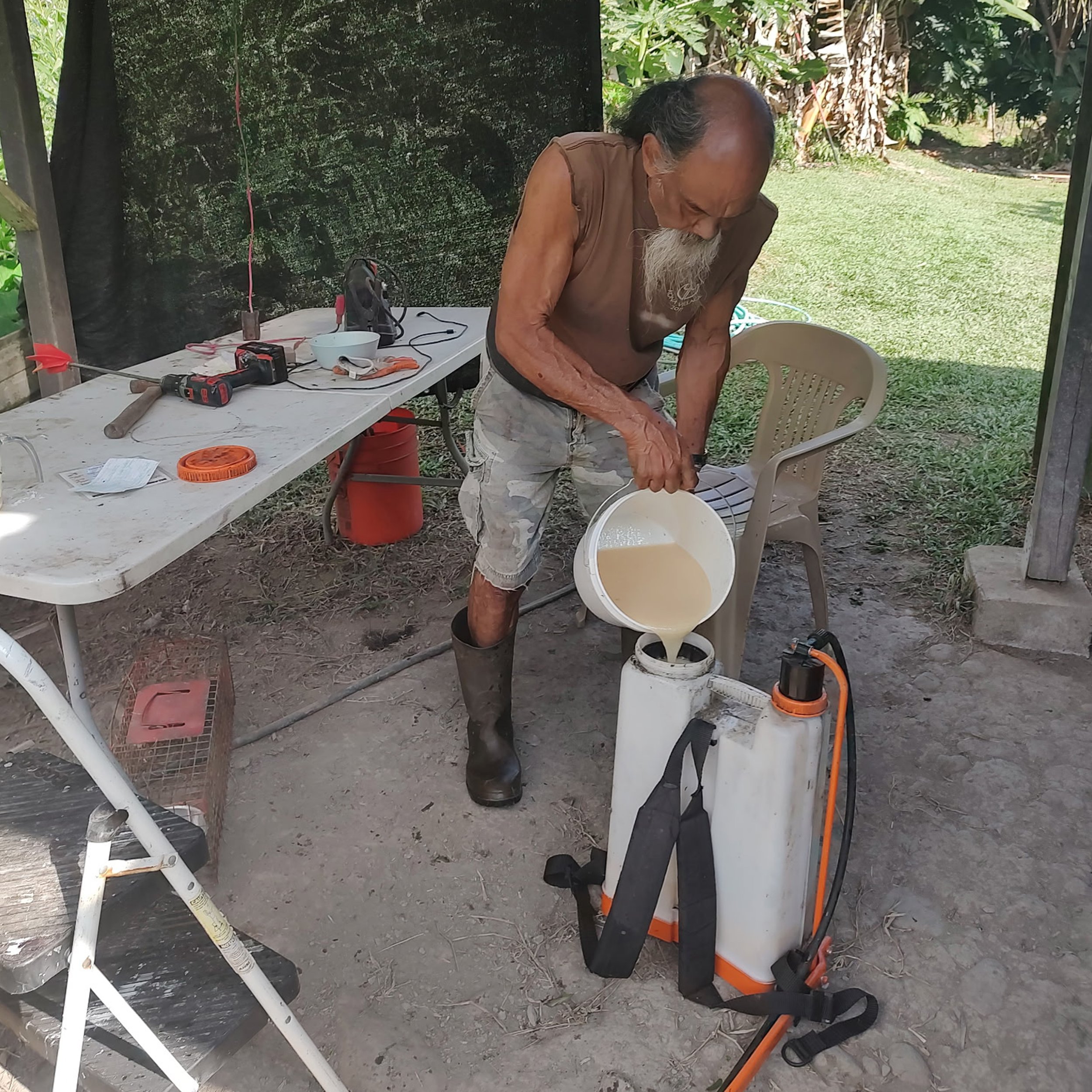
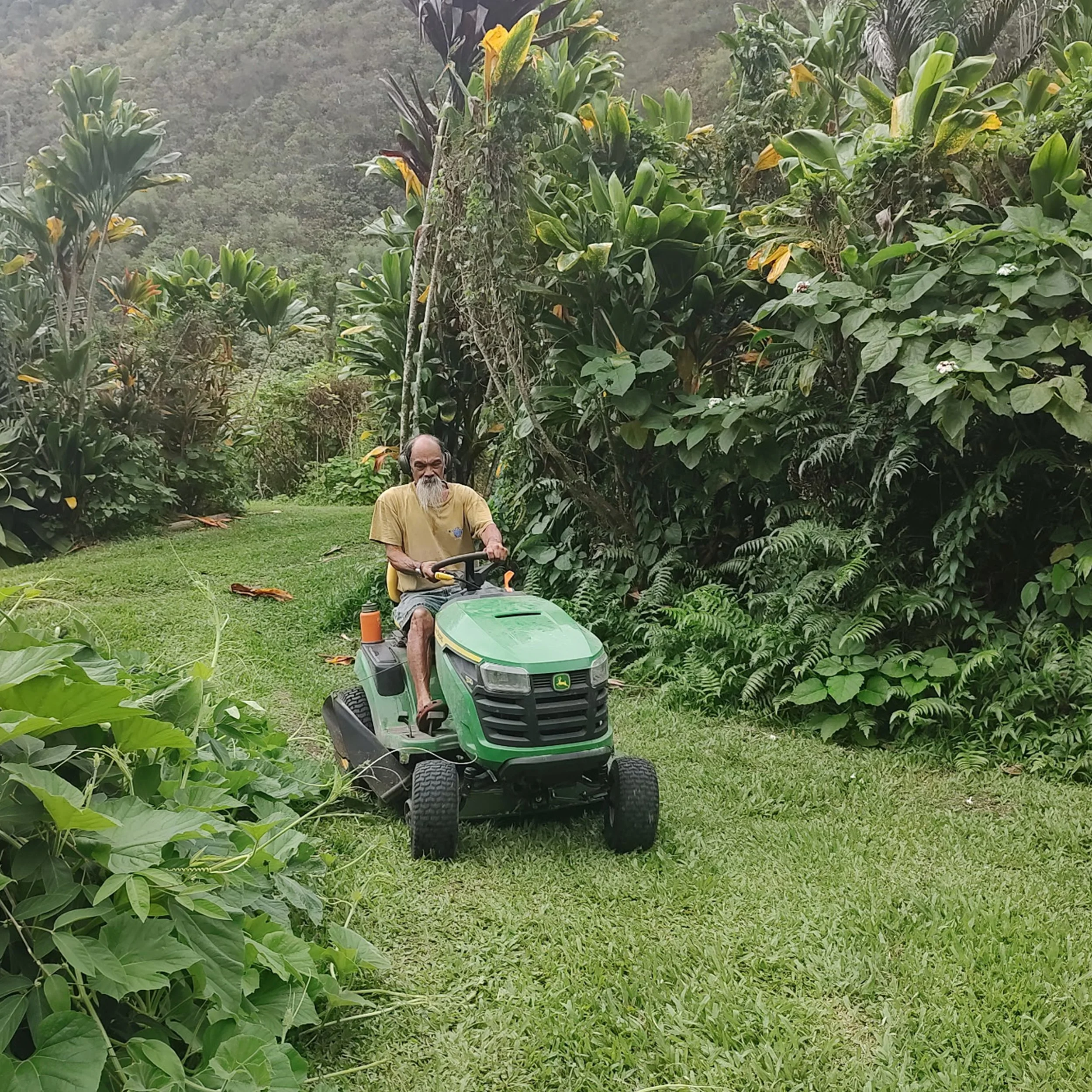
Through the Mālama Da Farmer Grant, Naaman and Debbie invested in essential improvements to protect their crops and maintain their traditional farming operation. Funding supported electric fencing supplies to help prevent damage from feral pigs, little fire ant management supplies, a riding mower for vegetation control, and repairs to their excavator.
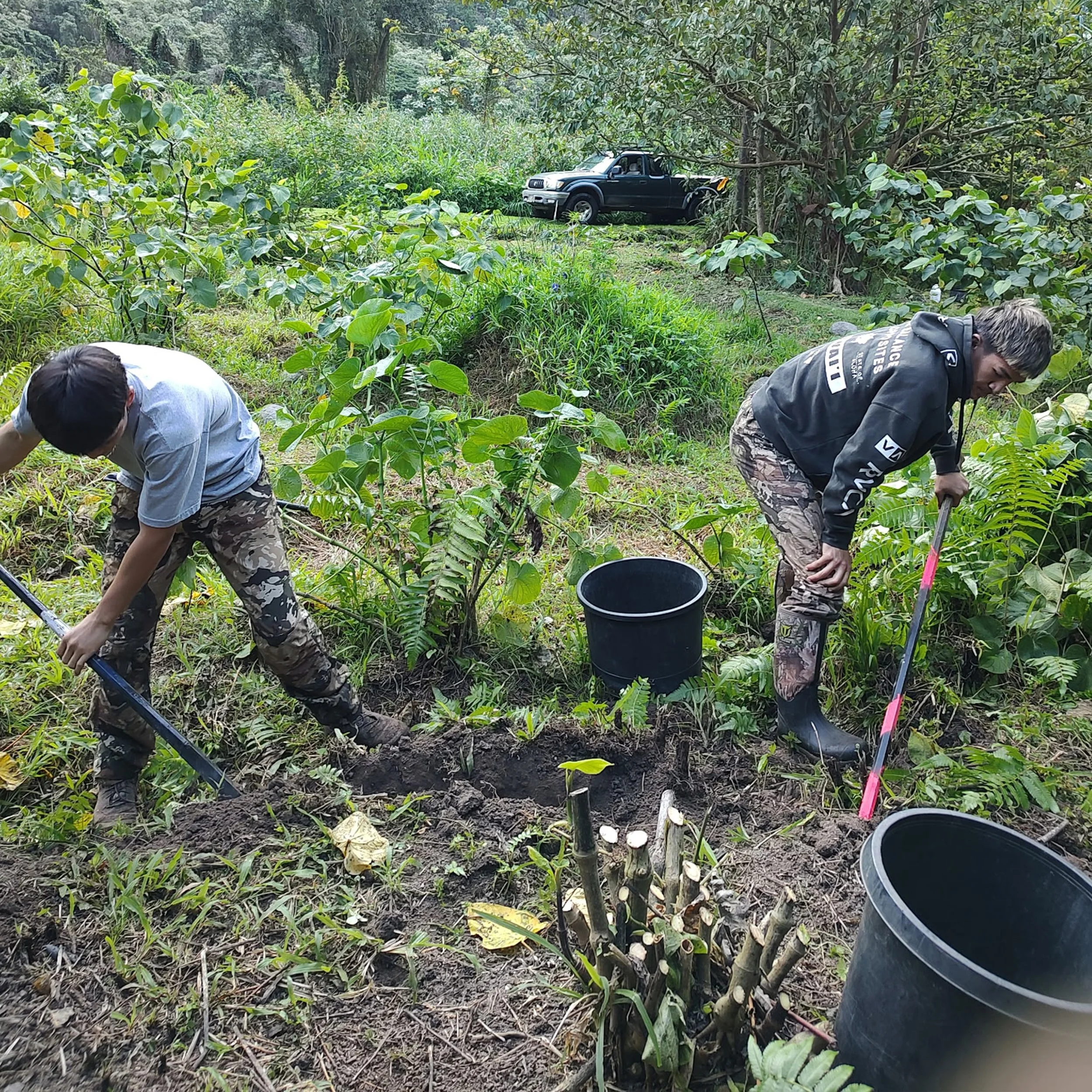
The grant also supported the management of a farm internship initiative focused on sharing traditional Hawaiian agricultural knowledge. By combining practical farm improvements with opportunities for hands-on learning, these investments help strengthen both the farm's daily operations and its commitment to passing cultural practices to future generations.
Impact
These investments are helping Naaman and Debbie address some of the most pressing challenges facing their farm, from protecting kalo and ʻawa to maintaining the equipment and infrastructure needed to care for their loʻi.
Equally important is their commitment to sharing traditional farming knowledge. Through mentorship and continued cultivation of culturally significant crops, their work contributes to preserving the agricultural heritage of Waipiʻo Valley. Supporting their farm means more than protecting a harvest—it means helping sustain a living connection between ʻāina, ʻohana, and future generations.
Hear Their Story
Step into the loʻi of Waipiʻo Valley with Naaman and Debbie Toko and hear how generations of traditional kalo farming, ancestral knowledge, and a deep commitment to mālama ʻāina continue to shape their lives and the future of their ʻohana farm.
Video by Nixon Jack